
Hva er et lån uten sikkerhet?
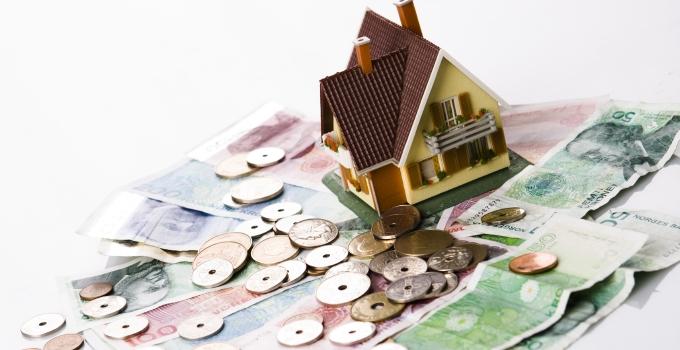
Et lån uten sikkerhet er et annet ord for forbrukslån. Dette er et lån hvor du ikke trenger å stille med sikkerhet for lånet og du kan bruke pengene til hva du måtte ønske. Lånene har de siste årene blitt veldig populære, nettopp på grunn av disse to tingene. Du trenger ikke å forklare noen hva du skal bruke lånet til og du trenger heller ikke å la banken få pant i boligen din. Når du søker om et tradisjonelt lån, stilles det ofte krav om sikkerhet. Dette er som oftest sikkerhet i egen eiendom, men kan også være sikkerhet i bilen din om denne har en høy verdi eller i verdipapirer. Fordelen med et lån uten sikkerhet er at du slipper alt dette. Ulempen er at du må betale en høyere rente for samme lån. Dette skyldes at banken tar en risiko ved å låne deg penger uten å kunne sikre seg, hvis du ikke klarer å betale pengene tilbake.
Hva kan jeg bruke et forbrukslån til?
Et lån uten sikkerhet, eller et forbrukslån, kan brukes til mange ulike ting. Noen ganger trenger en penger raskt, nettopp på grunn av en uforutsett utgift. I andre tilfeller har du kanskje gått lenge og drømt om å få et nytt kjøkken, i stedet for det 30 år gamle kjøkkenet du har nå. Da kan en løsning være å søke om et lån uten sikkerhet. Og har du brukt kredittkortet litt for mye, kanskje skaffet deg et par smålån, kan et større lån med en lavere rente spare deg for mye penger. Les mer om forskjellige lån uten sikkerhet på Forbrukslån.no eller på Finansportalen.
Uforutsette utgifter
Uforutsette utgifter kan være mange ting. Alt fra restskatt, en skade på bilen til vaskemaskinen og kjøleskapet som begge ryker den samme uken. Da er det nødvendig med ekstra penger litt kjapt. Å vente til neste lønningsdag er ikke alltid et alternativ å leve med.
Oppussing av boligen
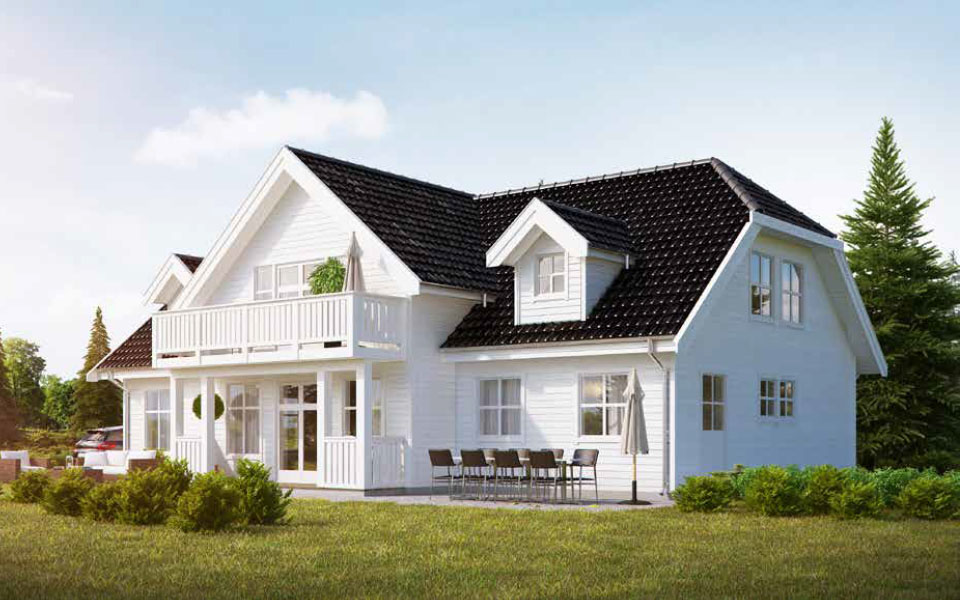
Kjøkkenet og badet er vel de to rommene i boligen, som blir brukt mest. Og når disse begynner å bli slitt etter mange år uten oppussing, da kommer det et tidspunkt hvor det bare må gjøres. Dette er samtidig de dyreste rommene å pusse opp. Det er dermed oftest dette et lån uten sikkerhet brukes til. Men, fordelen med oppussing er at du øker verdien på boligen din og dermed får litt igjen for de utgifter du har hatt.
Refinansiering av gammel gjeld
Sist, men ikke minst, er det ikke uvanlig at en blir litt ivrig med kredittkortet. Når kredittgrensen har blitt brukt opp kommer det kanskje et smålån i tillegg og da begynner det å bli veldig dyrt. Det kan derfor lønne seg å finne et større lån uten sikkerhet og få samlet gjelden, slik at du bevarer både oversikten og kontrollen.